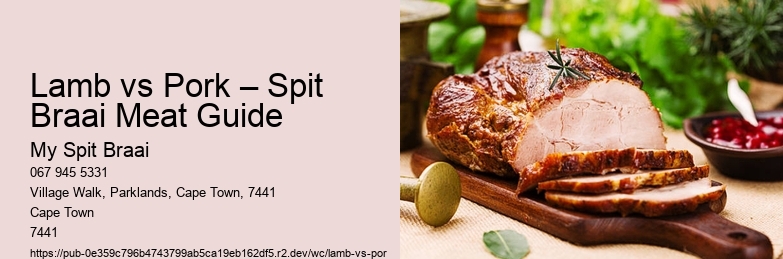
Preparing Lamb for Spit Braai: Marination and Seasoning Techniques
When it comes to hosting a memorable spit braai, choosing the right type of meat is crucial. While both lamb and pork are popular choices, each offers its own unique flavors and textures that can make or break your barbecue event. In this guide, we will delve into the nuances of preparing lamb for a spit braai, focusing on marination and seasoning techniques that enhance its natural flavors.
Lamb is renowned for its rich, slightly gamey flavor which makes it a favorite among meat connoisseurs. To prepare lamb for a spit braai, the process begins with proper marination, which not only infuses the meat with additional flavors but also tenderizes it, ensuring it cooks evenly and remains succulent.
A basic yet effective marinade for lamb could include ingredients such as olive oil, lemon juice, garlic, and rosemary. Olive oil serves as an excellent base because it helps in adhering the spices to the meat while providing fats that aid in cooking. Lemon juice introduces a slight acidity that tenderizes the muscle fibers. Garlic adds a pungent depth which complements the strong flavor of lamb beautifully, while rosemary provides an aromatic touch that is almost synonymous with grilled lamb.
To prepare this marinade, combine these ingredients in a bowl and whisk them together until well-blended. For best results, score the lamb lightly with a knife so that the marinade can penetrate deeper into the meat. Place your lamb in a large container or resealable bag and pour over the marinade ensuring it is covered evenly. It's ideal to let this sit in the refrigerator overnight; however, even a few hours will suffice if pressed for time.
After marinating, remove your lamb from its liquid bath and pat dry before seasoning generously with salt and freshly ground black pepper just before cooking. Salt not only enhances flavor but also helps form a perfect crust on the exterior as it cooks slowly over low heat on your spit.
As you set up your spit braai, ensure consistent heat distribution by adjusting coal placement if using charcoal or managing flame levels on gas barbecues. The key to perfectly cooked spit-roasted lamb lies in slow-cooking at low temperatures; this allows fat to render gradually while keeping moisture locked inside.
Throughout cooking time - which may vary depending on size - occasionally baste your rotating lamb with some reserved marinade mixed with oil or melted butter. This not only adds layers of flavor but also aids in keeping it moist.
In contrast to pork's fattier profile which commonly features heavier seasonings like paprika or cumin to complement its sweetness; when preparing lamb for spit braai simplicity often reigns supreme allowing natural flavors enhanced by subtle herbs like rosemary or thyme shine through effectively setting apart from other meats typically prepared during such gatherings.
Understanding these distinctions between pork and lamb within context of preparation techniques like those described herein allows hosts tailor their menu offerings according specific tastes preferences attendees ensuring everyone enjoys their meal thoroughly next time they gather around glowing embers sharing stories under stars – quintessential essence what makes Spit Braai so special enduringly popular tradition culinary landscape South Africa beyond.
Preparing Pork for Spit Braai: Flavor Enhancements and Rubs
When it comes to hosting a spit braai, a popular method of barbecuing in many parts of the world, choosing the right type of meat is crucial. In this exploration, we focus on two favorites: lamb and pork. Each offers unique flavors and requires specific preparations to achieve the best results. Here, well delve specifically into preparing pork for a spit braai, emphasizing flavor enhancements and rubs.
Pork is exceptionally versatile when cooked on a spit. Its naturally mild taste makes it an excellent canvas for a variety of spices and marinades. To begin with, selecting the right cut is essential; pork shoulder or leg (often referred to as ham) are prime choices for spit braai due to their fat content and texture which remain tender and juicy throughout the slow-cooking process.
Before seasoning, it's important to prepare the pork properly. This involves scoring the skin or fat layer without cutting too deep into the meat itself; this helps in rendering the fat and allowing heat to penetrate more effectively, leading to crispy skin and evenly cooked meat.
Flavor enhancements play a critical role in transforming your pork roast into a delectable centerpiece. A basic yet effective rub can be made from ingredients like salt, pepper, garlic powder, and paprika – these not only season the meat but also help in forming a delightful crust as it cooks. For those inclined towards more aromatic profiles, adding herbs such as rosemary, thyme, or oregano complements pork wonderfully.
Beyond dry rubs, marinades offer another method to infuse pork with robust flavors. A popular choice involves using acidic bases like vinegar or citrus juice mixed with oil and various spices. This not only tenderizes but also imparts deep flavors into the meat. A typical marinade might include olive oil, lemon juice, minced garlic, mustard, and herbs soaked into the meat overnight to maximize absorption.
One cannot overlook regional touches that elevate the traditional spit braai experience. For instance, incorporating elements like apple cider vinegar in American-style barbecue rubs or using soy sauce and honey for an Asian twist can cater to diverse palates while keeping everyone curious about what makes your pork roast uniquely delicious.
Cooking time is equally critical-pork needs ample time on the spit rotating slowly near coals that radiate gentle heat; this ensures that every part of your roast cooks thoroughly without burning any section excessively.
In conclusion, whether you opt for lamb or pork at your next spit braai event depends largely on personal preference regarding taste and texture. However, if pork is your choice of meat, paying attention to its preparation-from selecting appropriate cuts to applying flavorful rubs and marinades-is key in achieving succulent results that make your gathering memorable for all culinary enthusiasts involved.
Cooking Times and Temperatures for Optimal Flavor in Lamb and Pork
When preparing a feast that includes both lamb and pork, understanding the optimal cooking times and temperatures is essential for achieving the best flavor and texture in each type of meat. These techniques can vary significantly due to the distinct characteristics of lamb and pork. Here's a closer look at how to master these meats on a spit braai, a popular method especially in gatherings where delicious, slow-cooked food is central to the celebration.
Lamb: Delicacy in Detail
Lamb is celebrated for its tender flesh and slightly gamey flavor, which can be enhanced through proper cooking techniques. On a spit braai, lamb should be cooked slowly to ensure that it remains juicy and tender. The ideal temperature for spit-roasting lamb is around 200 degrees Celsius (392 degrees Fahrenheit). Its important not to rush the cooking process; depending on the size of your lamb cut (leg, shoulder, or whole), it could take anywhere from 4 to 7 hours.
To elevate the flavors, marinating the lamb prior to cooking can make a world of difference. Ingredients like garlic, rosemary, thyme, and olive oil not only enhance taste but also help in forming a delightful crust on the exterior as it cooks. Regular basting during roasting will keep the meat moist while adding layers of flavor.
Pork: Richness Requires Precision
Pork demands careful attention when it comes to spit braai cooking because its fat content and thickness can vary greatly. Generally, pork should be cooked at a slightly higher temperature than lamb-about 220 degrees Celsius (428 degrees Fahrenheit). This ensures that the fat renders properly and creates a crispy outer layer while keeping the inside succulent.
A full pork roast might need about 6 to 8 hours on the spit braai. One common technique is scoring the porks skin before roasting; this not only allows heat to penetrate more deeply but also helps achieve that sought-after crackling effect which makes roasted pork irresistibly appealing.
For seasoning, simple salt rubs are often enough for pork since its own flavors are quite pronounced. However, incorporating smoky or spicy elements like paprika or cumin can complement its richness well.
Managing Flame and Smoke
An essential aspect of using a spit braai involves managing flame height and smoke intensity-too much direct heat can cause charring before either type of meat is adequately cooked through. Using indirect heat by positioning coals strategically around rather than directly under the meat helps in achieving an even cook.
Moreover, adding wood chips like applewood or hickory can infuse subtle smoky flavors into both meats without overpowering them. Ensure theres sufficient ventilation around your cooking area so that smoke circulates properly without making either meat bitter from overexposure.
Conclusion
Mastering these nuances when spit braaing lamb versus pork ensures each meats inherent qualities are maximized for your culinary enjoyment. While each requires different approaches concerning temperatures and timings due to their unique textures and flavors profiles, patience mixed with precise control over your cooking environment will allow you to serve up mouth-watering results that celebrate these distinctive tastes effectively. Whether you prefer the robust richness of perfectly cooked pork or relish in the subtly gamey delicateness of tender lamb-a well-managed spit braai provides an unforgettable dining experience highlighting all these wonderful aspects.
Presentation and Serving Tips for a Memorable Spit Braai Event
When planning a spit braai event, one of the crucial decisions you'll face is choosing between lamb and pork as your centerpiece. Both meats have their unique flavors and can be the star of your gathering if prepared and presented thoughtfully. Here's a guide to help you make an informed choice and ensure your spit braai is memorable for all the right reasons.
Lamb vs Pork: Flavor Profiles and Preparation
Lamb is celebrated for its rich, gamey flavor which is deeply rooted in many culinary traditions around the world, particularly in Mediterranean and Middle Eastern cuisines. When preparing lamb for a spit braai, its essential to consider marinating it to enhance its natural flavors. A marinade of rosemary, garlic, olive oil, and lemon works beautifully with lamb, complementing its robust taste without overpowering it.
Lamb should be cooked slowly on the spit, allowing the fat to render out and baste the meat during cooking. This process keeps the meat moist and tender while creating a beautifully crisp outer crust.
Pork, on the other hand, offers a milder taste which makes it a versatile option for flavor experimentation. A popular preparation method for pork is brining or marinating it in a mixture that could include ingredients like apple cider vinegar, brown sugar, mustard, and spices such as thyme or sage. This not only tenderizes the pork but also infuses it with flavors that caramelise beautifully when cooked over an open flame.
Pork needs careful monitoring on the spit as its leaner parts can dry out if overcooked. It's beneficial to focus on keeping these areas moist by regular basting with either a marinade or good quality cooking oil.
Presentation Tips
The presentation of your spit-roasted meat can considerably enhance the dining experience at your braai event. For lamb, consider serving it traditionally sliced with sprigs of rosemary and wedges of lemon to accentuate its rustic appeal. Accompanying dishes like tabbouleh or a green salad with feta cheese beautifully balance out lamb's intense flavor profile.
For pork, thin slices served with apple sauce or a homemade chutney can elevate its natural sweetness while providing a visually appealing contrast on the plate. Side dishes such as roasted potatoes or grilled vegetables work well with both meats but consider customizing spice blends to match the main protein's flavor profile better.
Serving Tips
Temperature plays an important role when serving both types of meat; lamb should be served warm to highlight its juiciness whereas pork shines both warm or at room temperature making it suitable for buffet-style servings where guests might eat over extended periods.
When arranging these meats on serving platters, consider their ease of access-place them along with appropriate carving tools so that guests can easily serve themselves according to their preference in portion size. Additionally, always ensure there are ample condiments related directly to each type of meat; mint jelly or tzatziki complements lamb superbly while mustard varieties or BBQ sauces are perfect for pork.
Finally, setting up interactive stations where guests can customize their plates could add an engaging element to your event-perhaps small bowls filled with different toppings like crumbled cheeses for lamb dishes or pickled veggies would go perfectly alongside pork offerings.
In conclusion, whether you choose lamb or pork for your next spit braai event depends largely on personal taste preferences and how much you're willing to experiment with flavors and presentations styles. With thoughtful preparation and creative presentation ideas tailored specifically